


What Are Shared Services?
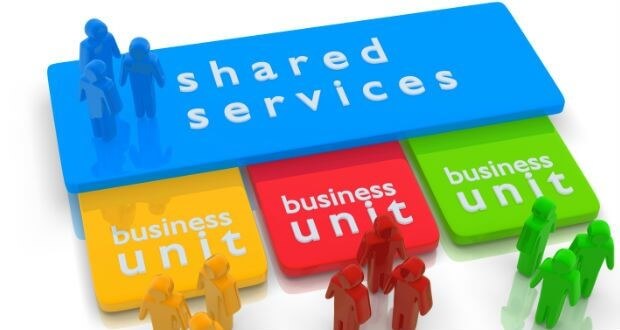
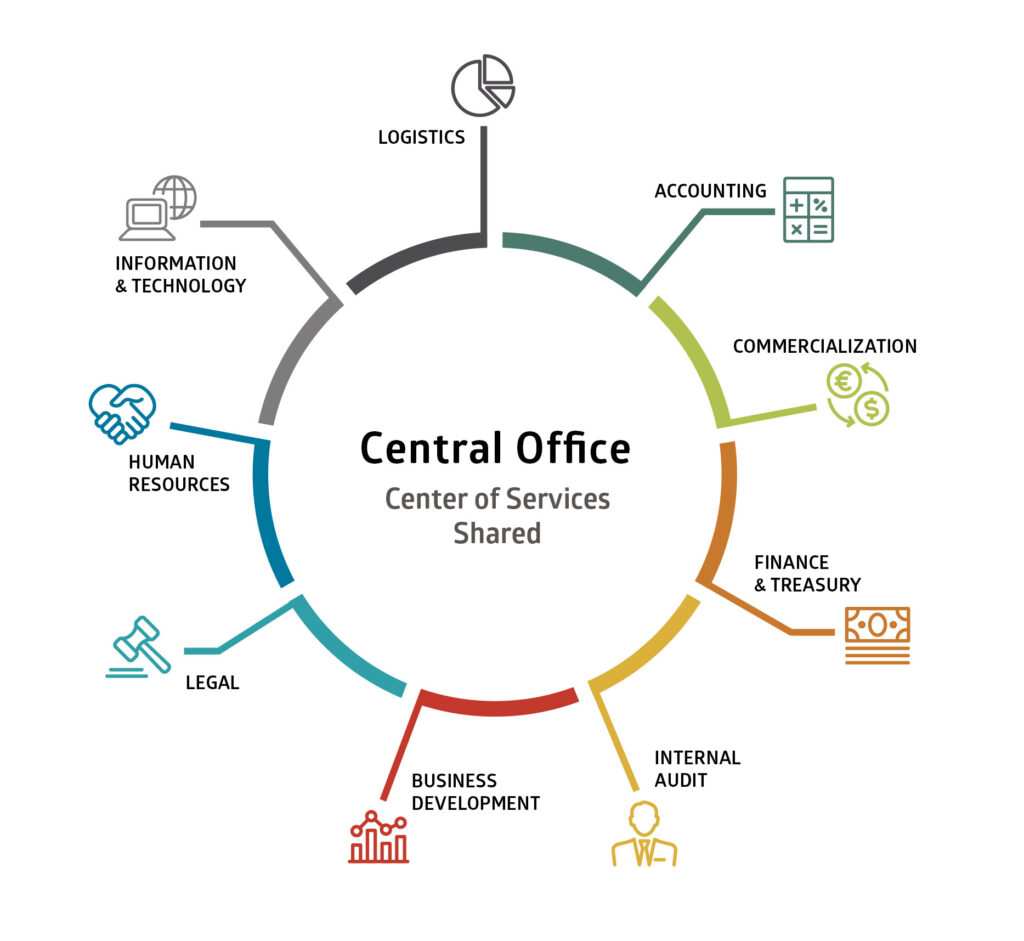
A Shared Services Model centralizes common business functions—such as Finance, HR, Procurement, IT Support, and PMO—into a single unit that serves multiple business units or geographies.
Instead of duplication across countries or divisions:
- Processes are standardized
- Technology is centralized
- Talent is pooled
- Governance is strengthened
For multinationals operating across 20–50+ countries, shared services became a business necessity, not a choice.
Why Multinationals Turned to IT Companies
Foreign multinationals initially experimented with captive shared service centers, but soon realized the complexity involved:
- Multi-country compliance
- 24×7 operations
- Talent attrition
- Technology modernization
- Continuous process improvement
This is where IT services companies stepped in—not just as vendors, but as operating partners.
Key Drivers Behind Outsourcing Shared Services
1. Cost Efficiency with Predictability
IT companies operating from India, Eastern Europe, and Southeast Asia delivered:
- Lower operating costs
- Transparent pricing models
- Outcome-based contracts
But more importantly, they offered predictable costs at scale, which CFOs deeply valued.
2. Mature Global Delivery Models
Indian IT firms pioneered the Global Delivery Model (GDM):
- Follow-the-sun support
- Offshore–Onsite balance
- Centralized governance with local execution
This model aligned perfectly with shared services.
3. Process Excellence & Standardization
Most large IT companies institutionalized:
- ITIL, COBIT, Six Sigma
- PMOs and transition frameworks
- Knowledge management systems
Shared services projects demanded discipline, and IT companies were already optimized for it.
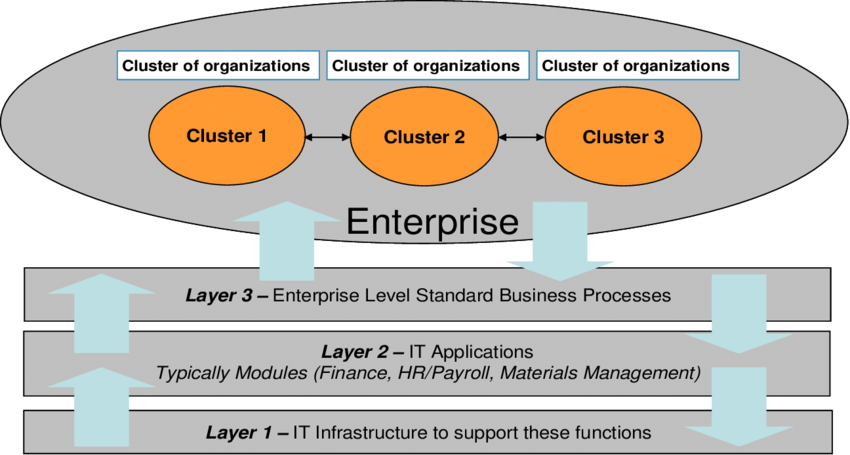
From the COO chair, shared services evolved in three deliberate stages:
Stage 1: Stability First
- Finance ops, HR ops, IT support
- Focus: continuity, SLAs, risk containment
Stage 2: Efficiency & Standardization
- ERP consolidation
- Process harmonization
- Automation and productivity benchmarks
Stage 3: Value & Intelligence
- RPA and AI-led operations
- Predictive insights for business leaders
- Platform-based shared services
At this stage, IT companies stopped being service providers and became operational co-owners.
Why Indian IT Firms Dominated This Space
From a COO’s lens, Indian IT companies stood out for three reasons:
- Depth of Process Leadership – not just technical skills
- Talent Supply Chains that could scale reliably
- Cultural Alignment with Long-Term Operations, not short-term wins
They didn’t just “run shared services.”
They industrialized enterprise operations.
Risk Transfer: The Hidden Value Proposition
One often underappreciated benefit was risk redistribution.
By partnering with IT companies, enterprises transferred:
- Talent risk
- Technology obsolescence risk
- Compliance execution risk
- Continuity risk
This freed COOs to focus on:
- Growth
- M&A integration
- New market entry
- Digital business models
Vertyowdiwjodko kofkosfjwgojfsjf oijwfwsfjowehgewjiofwj jewfkwkfdoeguhrfkadwknfew ijedkaoaswnfeugjfkadcajsfn a-shah.com